Computer Engineering

From Engineer to Expert
Master Emerging Technologies

Master of Computer Engineering Department


The Master’s Programme in Computer Engineering is an advanced, multidisciplinary course focused on the design, development, and optimization of modern computing systems. It equips students with in-depth expertise in areas such as advanced hardware architecture, software engineering, networking, embedded systems, artificial intelligence, and cybersecurity. Graduates are prepared for leadership roles in technology-driven organizations, research and development, academia, entrepreneurship, and government sectors. With technology continuously evolving, the programme offers strong career prospects and opportunities to work on cutting-edge innovations across a wide range of industries.

24

Intake

B.E./B. TECH. Computer Engineering or Computer Science & Engineering or Information Technology Engineering or Information and Communication Technology.

Eligibility Criteria

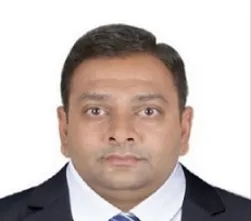
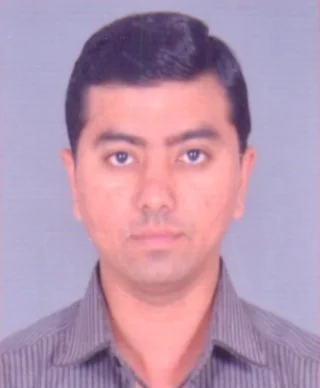
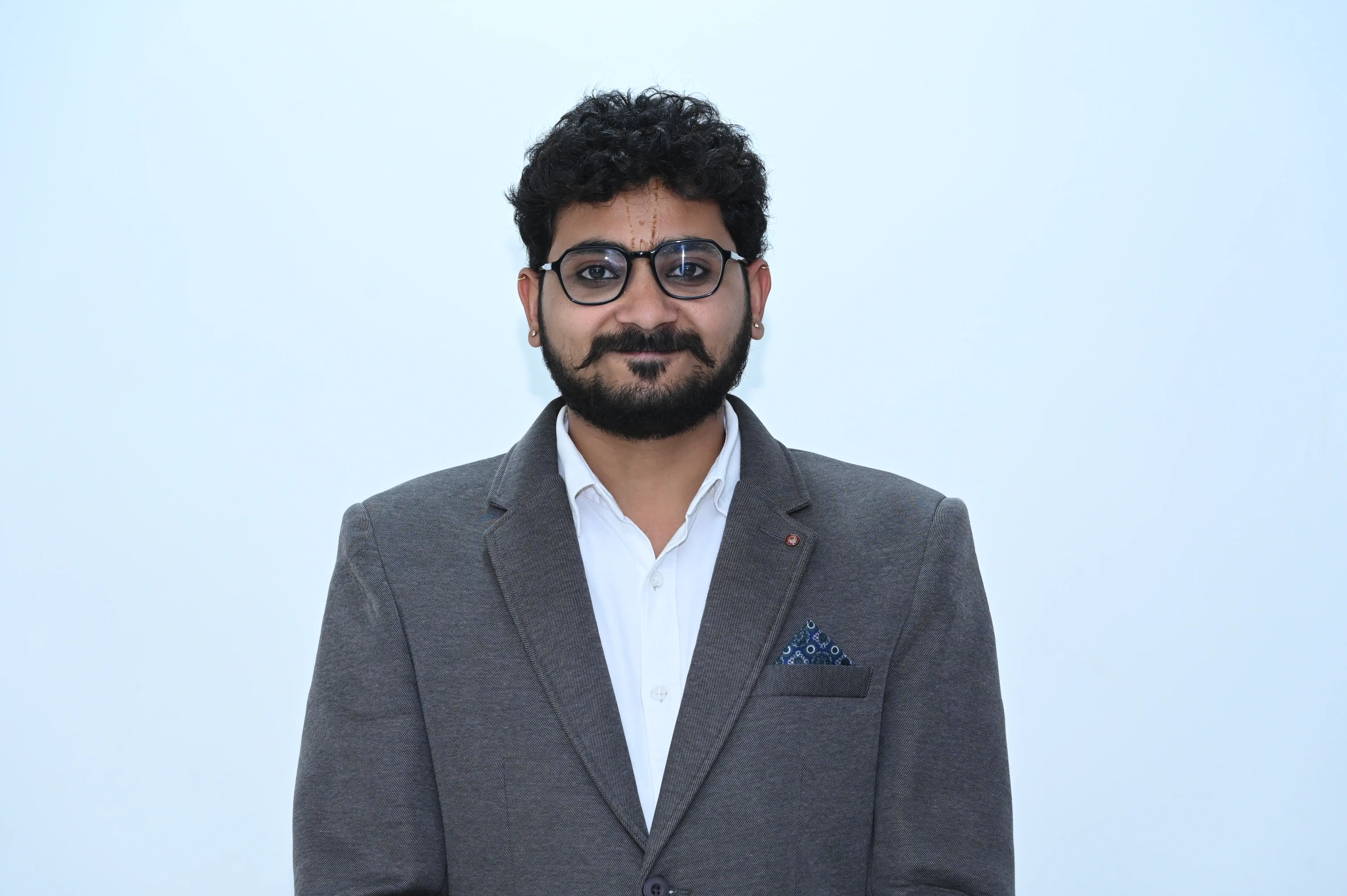
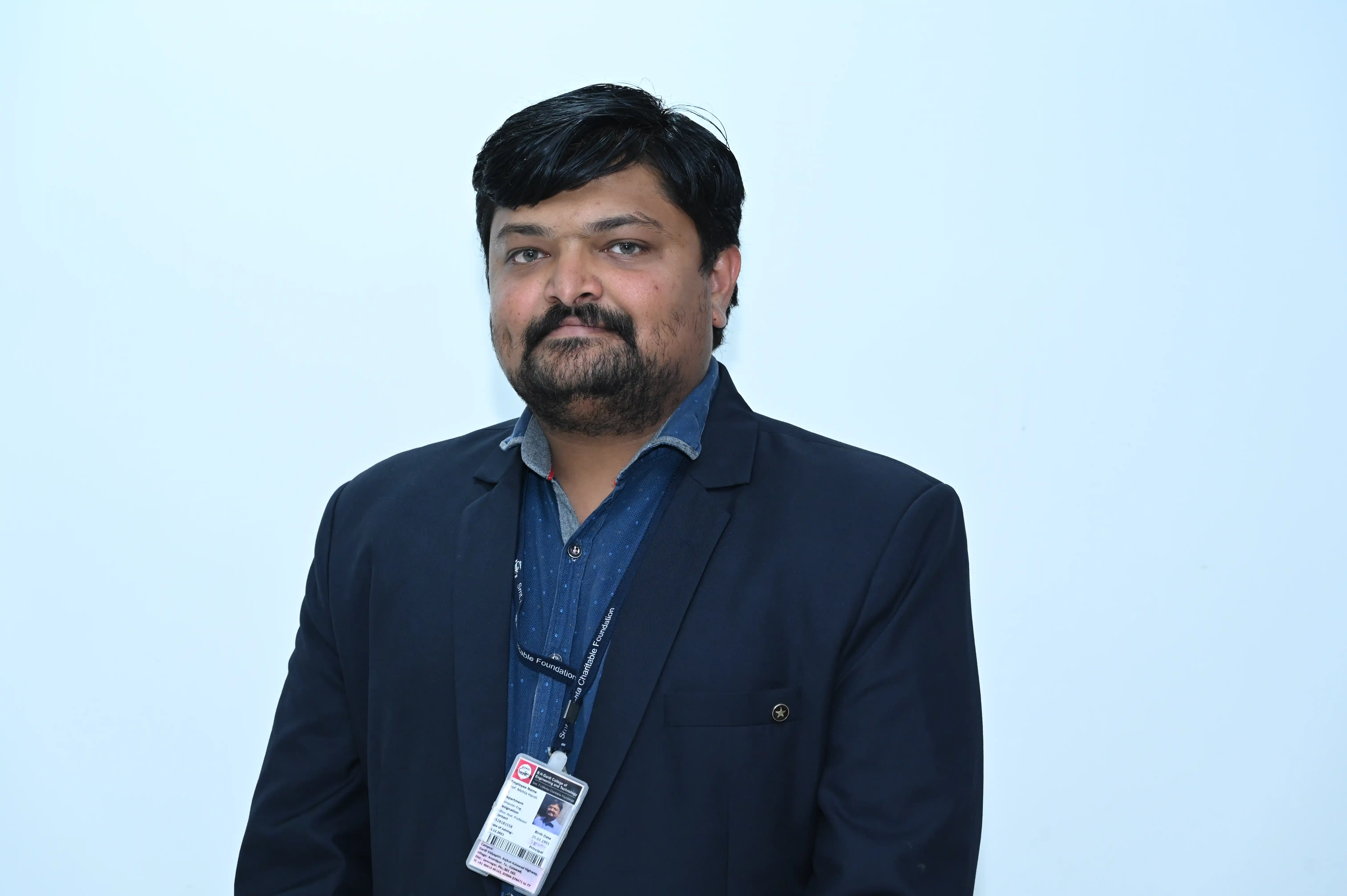
Meet Our Educators

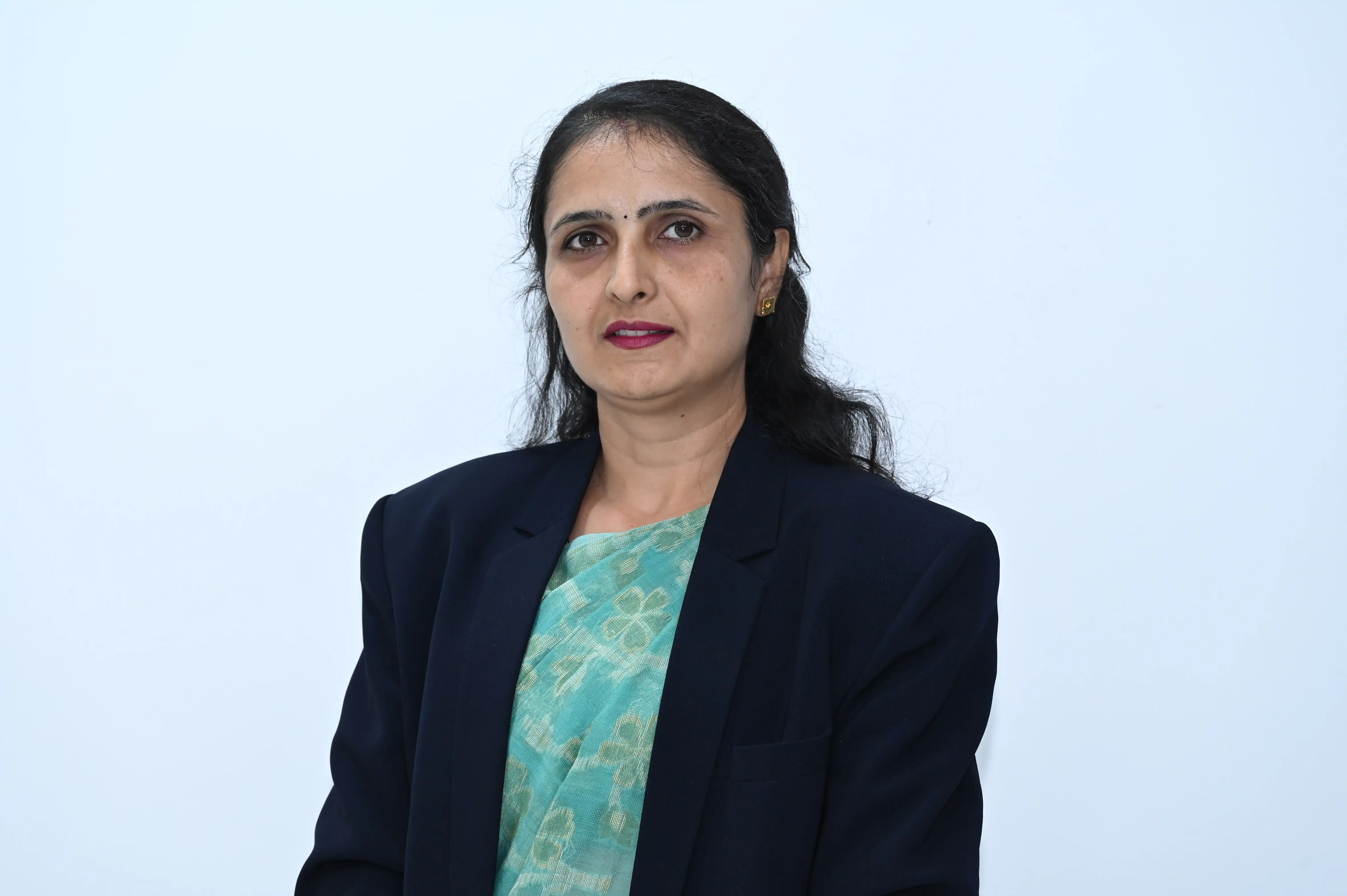
Prof. Monika Changela


Head, Department of Computer Engineering

Ph D. Pursuing, M.tech, BE

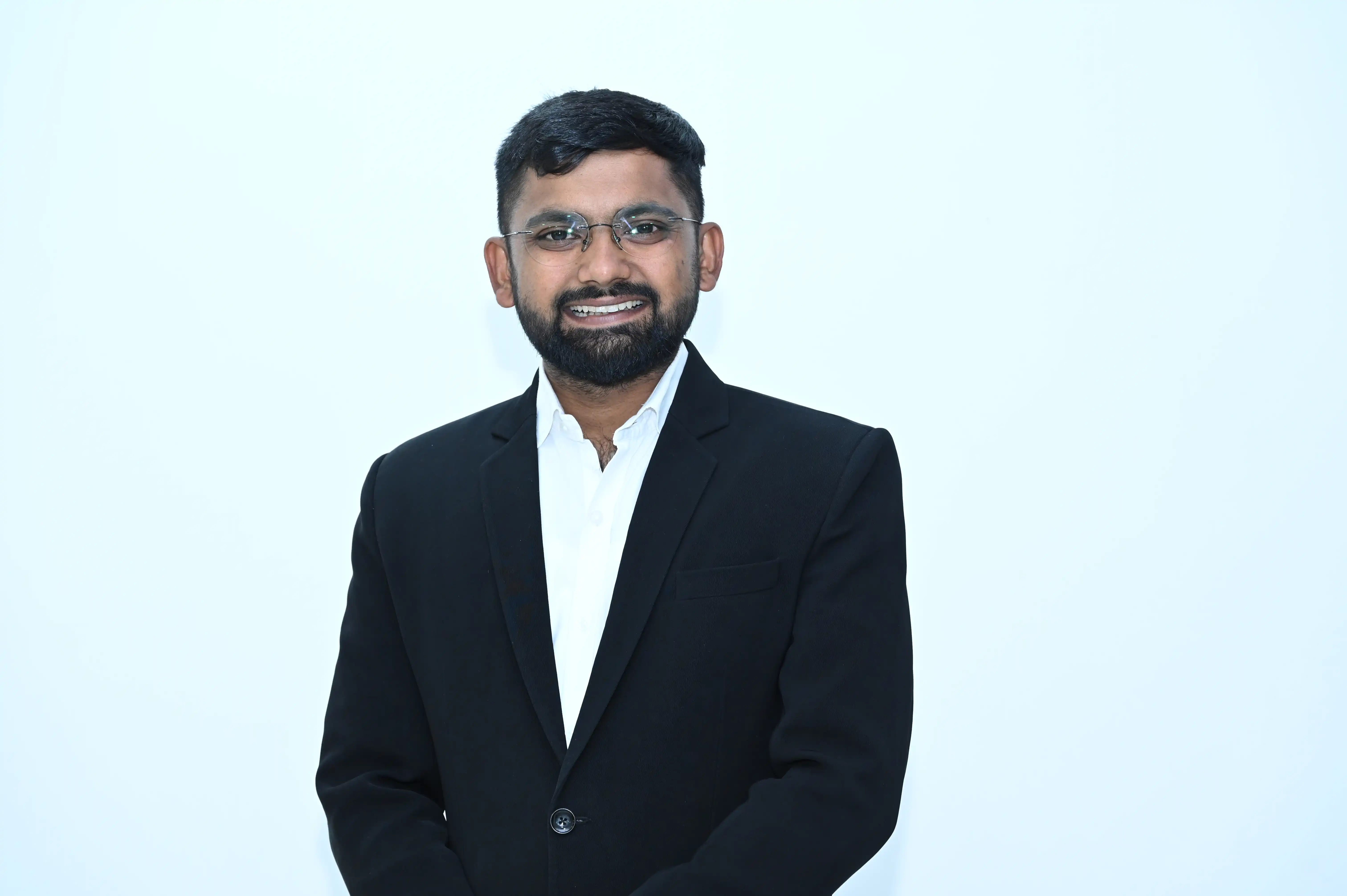
Prof. Jalpesh Ghumaliya


Head, MCA

PhD Pursuing,ME, BE

Prof. Harsh Mehta


Assistant Professor

ME, BE

Prof. Palak Vyas


Assistant Professor

ME, BE

Prof. Rahul Meghani


Assistant Professor

ME, BE

Prof. Riya Kaku


Assistant Professor

PhD Pursuing,ME, BE

Prof. Meera Vyas


Assistant Professor

ME, BE

Prof. Yashasvi Shah


Assistant Professor

ME, BE

Prof. Sheetal Joshi


Assistant Professor

Msc IT & CA, BSC

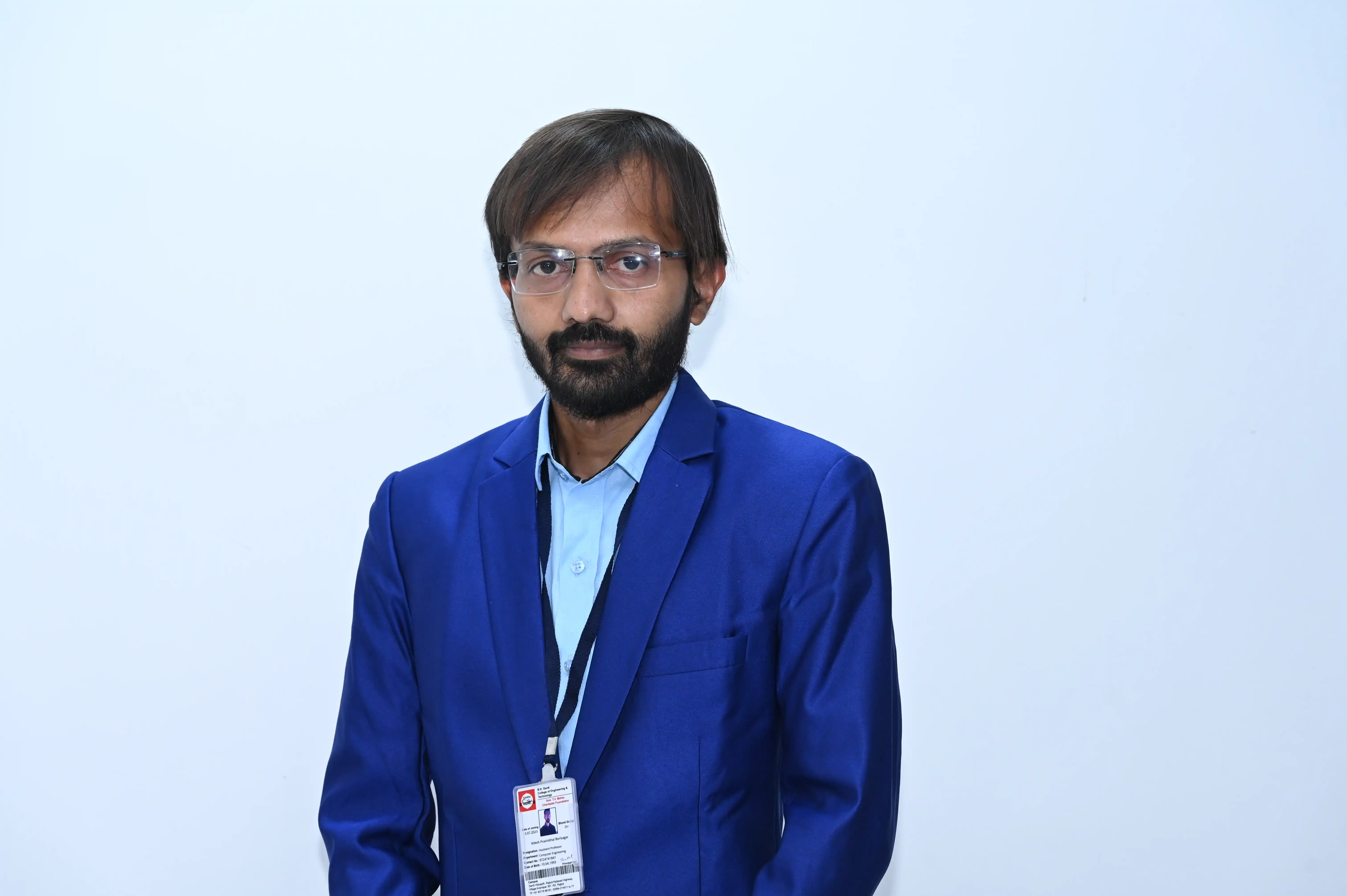
Prof. Nilesh Borisagar


Assistant Professor

ME, BE

Prof. Parisha Raval


Assistant Professor

MCA, BCA

Prof. Yashkumar Buhecha


Assistant Professor

MCA, BCA

Prof. Mehul Patel


Assistant Professor

MCA, BCA

Prof. Darshit Jivranjani


Lecturer

M.Tech, BE

Prof. Foram Rangani


Lecturer

ME, BE

Prof. Arkesh Vora


Lecturer

ME, BE

Prof. Manali Surani


Lecturer

ME, BE

Prof. Naeim Vhora


Lecturer

B.Tech

Prof. Khushali Ganatra


Lecturer

ME, BE

Prof. Sejal Trivedi


Lecturer

ME, BE

Prof. Akshay Upadhyay


Assistant professor

M.E.(I.T.), B.E.(I.T.)

Prof. Ajay Maru


Lecturer

B.E.(I.T.)

Prof. Chirag Sanchaniya


Head, Department of Humanity and Science

M.Sc. (Mathematics), B.Sc.(Mathematics)

Dr Jaydeep Ramani


Associate Professor

Ph.D, M.Phil, MCA, MBA, M.Sc.


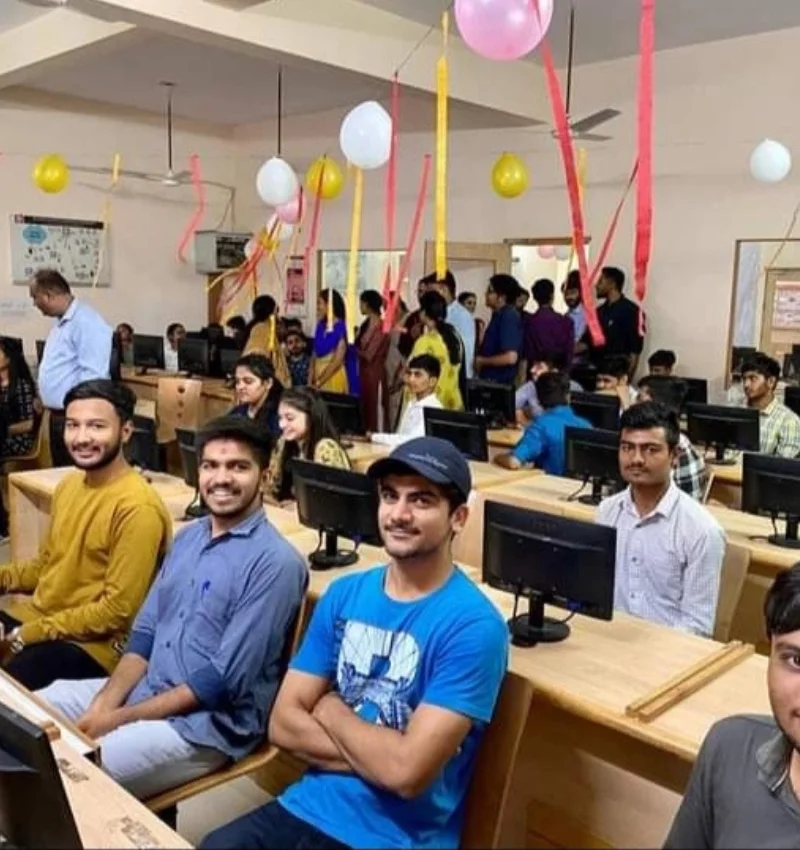
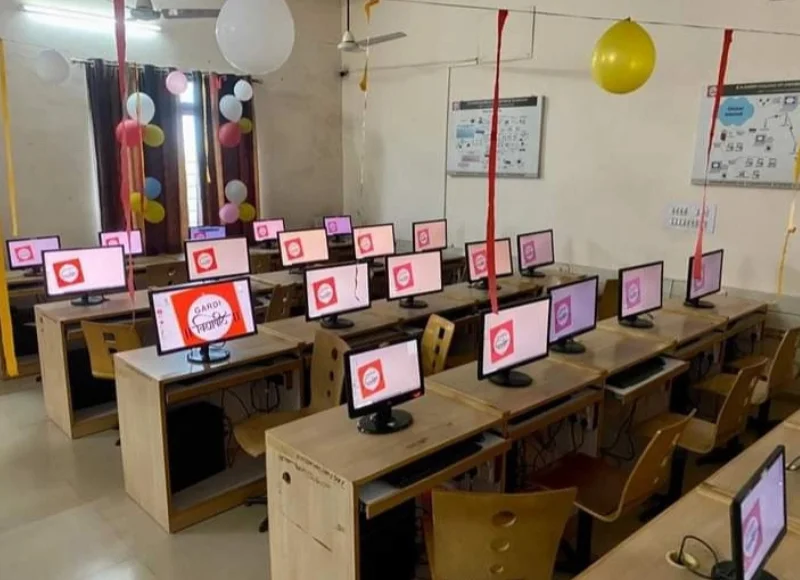
Infrastructure

  • ANDROID LAB

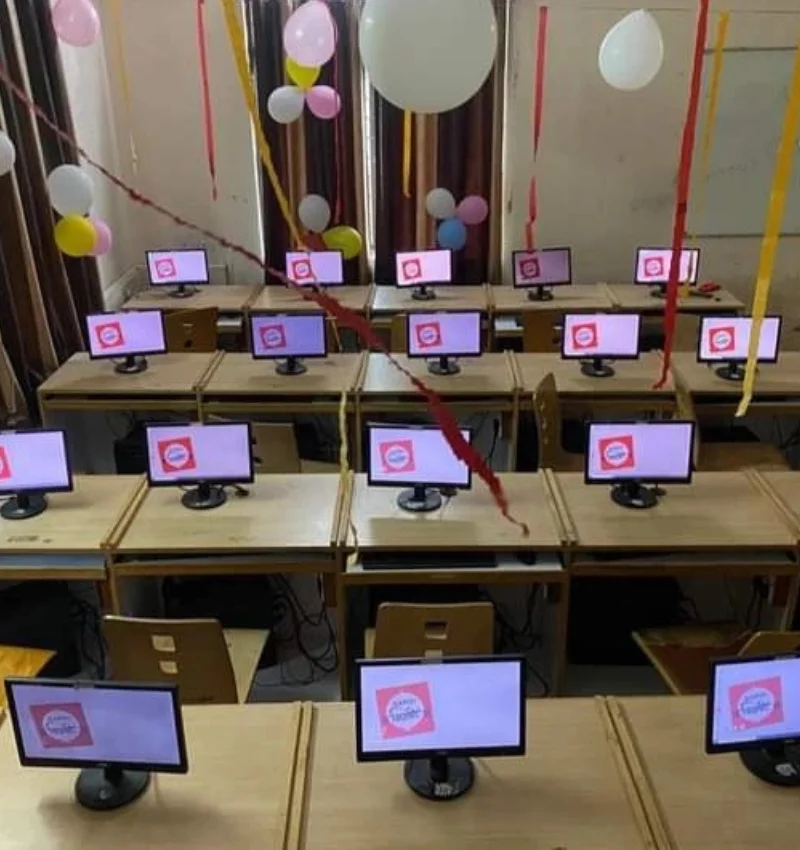
    Android lab provides students with practical, hands-on experience in mobile app development, allowing them to apply theoretical knowledge to real-world projects.

    Android app development skills are highly relevant in today's technology-driven world. Offering an Android lab equips students with in-demand skills that are valuable in the job market.

  • PHP LAB

    PHP lab provides students with opportunities to apply theoretical concepts learned in class to practical, hands-on projects. This helps reinforce their understanding of PHP programming principles and techniques.

    PHP remains one of the most widely used server-side scripting languages for web development. By engaging in PHP lab activities, students acquire skills that are directly applicable to building dynamic and interactive websites, which are essential in today's digital landscape.

  • CISCO LAB

    Networking labs provide students with practical, hands-on experience in configuring, managing, and troubleshooting computer networks. This allows them to apply theoretical concepts learned in networking courses to real-world scenarios.

    Networking skills are crucial in the field of Information Technology (IT), as networks form the backbone of modern computing infrastructures. By engaging in networking lab activities, students acquire skills that are directly applicable to roles such as network administrators, network engineers, and cybersecurity professionals.

  • PYTHON LAB

    Python language. This allows them to apply theoretical concepts learned in programming courses to real-world coding scenarios.

    Python is a versatile programming language widely used in various fields, including web development, data science, artificial intelligence, scientific computing, and automation. By engaging in Python lab activities, students acquire skills that are directly applicable to a wide range of industries and career paths.


Syllabus

Subject Code Subject Name Theory Tutorial Practical Credits Syllabus
3700001 English for Research Paper Writing 2 0 0 0 Download
3700005 Constitution of India 2 0 0 0 Download
3710001 Research Methodology and IPR 1 0 2 2 Download
3710213 Distributed Systems 3 0 2 4 Download
3710214 Mathematical Foundations of
Computer Science
3 0 2 4 Download
3710215 Advanced Data Structures 3 0 2 4 Download
3710216 Machine Learning 3 0 2 4 Download
3710217 Wireless Sensor Networks 3 0 2 4 Download
3710218 Operating System Design 3 0 2 4 Download
3710219 Data Science 3 0 2 4 Download
3710220 Parallel Programming Tools and Model 3 0 2 4 Download
Subject Code Subject Name Theory Tutorial Practical Credits Syllabus
3700001 English for Research Paper Writing 2 0 0 0 Download
3700005 Constitution of India 2 0 0 0 Download
3720001 Mini Project with Seminar 0 0 4 2 Download
3720216 Advanced Algorithms 3 0 2 4 Download
3720217 Soft Computing 3 0 2 4 Download
3720218 Secure Software Design and
Enterprise Computing
3 0 2 4 Download
3720219 Computer Vision 3 0 2 4 Download
3720220 HPC Architecture and Ecosystem 3 0 2 4 Download
3720221 GPU Computing 3 0 2 4 Download
3720222 Parallel Algorithms 3 0 2 4 Download
3720223 Advanced Machine Learning 3 0 2 4 Download
Subject Code Subject Name Theory Tutorial Practical Credits Syllabus
3730002 Internal Review 1 0 0 4 2 Download
3730003 Dissertation Phase I 0 0 16 8 Download
3730005 Business Analytics 3 0 0 3 Download
3730006 Industrial Safety 3 0 0 3 Download
3730007 Operation Research 3 0 0 3 Download
3730208 Cloud Computing 3 0 0 3 Download
3730209 High Performance Scientific Computing 3 0 0 3 Download
3730210 Compiler for HPC 3 0 0 3 Download